
IEC’S Thoughts On: Disability, health equity, and the NIH
Our mission at IEC is to make big improvements in healthcare for people with intellectual and developmental disabilities (IDD). We want to help people with IDD live healthier, happier lives.
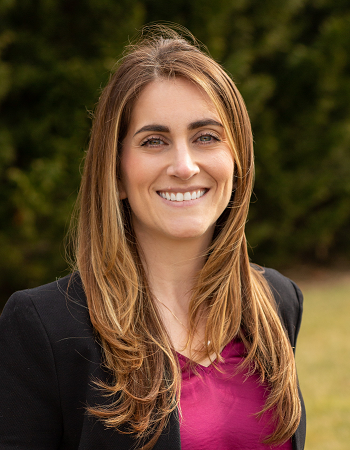
Lauren Erickson is our Director of Policy and Programs. A key part of her job is explaining IEC's views on health policy. She talks about how different policies affect people with IDD.
Lauren works to help people understand the important link between healthcare policy and the wellbeing of individuals with IDD. She breaks down complex policy issues to show their real-world impact.
Background: IEC has been getting a lot of questions about the actions taken by the National Institute on Minority Health and Health Disparities (NIMHD) Advisory Committee in September.
First, the committee made the controversial decision not to designate people with disabilities as a “health disparity population.” Then they reversed this decision a few weeks later.
Here are Lauren’s thoughts on the NIH controversy.
Question: What was the committee’s original decision and why was this bad for people with IDD?
Lauren: At first, the NIMHD Advisory Committee recommended not to designate people with disabilities as a health disparity population. If people with disabilities are designated as a "medically underserved population," it would open up new ways to get money to help improve their health.With this special designation, there could be more funding for:
--Programs and services to help people with disabilities get the healthcare they need
--Research to better understand the health challenges and inequalities faced by people with disabilities
We know that people with IDD often face more challenges getting good healthcare compared to others. This leads to people with IDD having worse health in many ways. Because of this, it doesn't make sense that people with IDD weren't included in the "medically underserved" group. That decision ignored the clear evidence that people with IDD have a harder time getting the healthcare they need and face unfair health outcomes as a result.
Question: Were you surprised by the original decision, especially given the generally disability-friendly stance of the Biden administration?
Lauren: IEC was very surprised by the original decision; the Biden Administration has been supportive of the disability community.
Just a few days before the NIMHD made their choice, two other important things happened:
1. The Department of Health and Human Services (HHS) announced new rules related to the Rehabilitation Act. These rules make it clear that healthcare places must treat people with disabilities fairly and give them the support they need. They cannot discriminate against people with disabilities.
2. The National Institutes of Health (NIH) suggested changing its mission statement. They want to update it to be more inclusive and respectful of people with disabilities. The old statement used language that was hurtful to disabled people.
It seems strange that the NIMHD decided people with disabilities weren't "medically underserved" so soon after this. The HHS and NIH announcements showed that the government knows it needs to do better at helping people with disabilities get equal healthcare. But then the NIMHD ignored that by saying disabled people don't count as a group that needs extra help getting good care.
The original decision by the NIMHD committee did not make sense when you consider these other actions.
Question: You and other IEC staff listen closely to disability self-advocates – it’s fundamental to IEC’s work. What are you are hearing now that the decision has been reversed and what do they, and IEC want to see happen next?
Lauren: We heard a lot of pushback and frustration. IEC received a lot of questions from our self-advocate partners and other disability organizations and we worked with them to share the negative impact of the first decision with administration officials.
We were thrilled when the NIMHD committee reversed their decision a few weeks ago and designated people with disabilities as a health disparity population.
We want the government and healthcare organizations to keep focusing on getting better information about people with disabilities. Better data would help us understand their health needs and experiences more clearly. It could lead to improved healthcare and fairer treatment for people with IDD.
IEC believes we can definitely solve this data problem. We are working on it with our "Making IDD Visible" project. The goal is to make sure people with intellectual and developmental disabilities (IDD) are easier to identify in healthcare data.